

Patient Perspective
We believe that empowering you with knowledge about your condition is the first step to alleviating your pain.


Where is your Pain?

Lower Back Pain
Head, Neck &
Upper Back Pain
Hip, Knee & Joint Pain
Systemic or Widespread
Pain Conditions
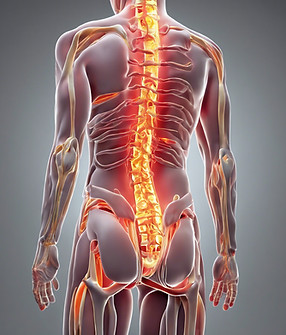
Back pain is a prevalent and highly debilitating condition characterized by pain and stiffness in the lower back and gluteal area, which can radiate into the legs and feet with associated numbness, paresthesia and weakness. The pain can range from mild to severe, it may be acute (lasting less than three months) or chronic (lasting longer than three months), and it can be dull, or sharp, cramp like, burning or stabbing in nature.
Back pain can originate from mechanical factors such as structural inflammation due to muscle strains, ligament sprains and arthritis; it can originate from nerve impingement from herniated discs, osteophytosis or spinal stenosis; or it can be due to nervous system hypersensitivity, systemic diseases, or rarely due to underlying infections or tumors.
Treatment for back pain can be complex and challenging because of the myriad of factors, pain types, physical and emotional challenges which accompanies chronic back pain. It usually depends heavily on core strengthening exercises, physical therapy and activities, combined with interventional and oral medications, lifestyle modifications, weight loss, and in severe cases, surgery.
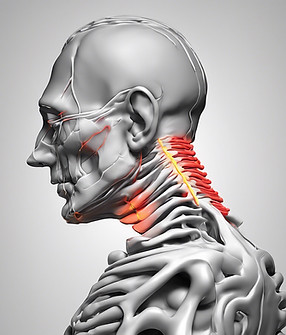
Head, neck, and upper back pain refer to pain and stiffness experienced in the regions spanning from the head down to the upper back, and sideways to the shoulders. The pain can range from mild to severe, acute (lasting less than three months) or chronic (lasting longer than three months), and it can be dull, or sharp burning or stabbing in nature. It may be localized or radiate to the shoulders, arms, upper back or between the shoulder blades
Neck pain can originate from mechanical factors such as structural inflammation from muscle and ligament sprains like whiplash injuries, or from joint wear and tear causing arthritis; it can originate from nerve impingement from herniated discs, osteophytosis or cervical spinal stenosis; and it can be due to nervous system hypersensitivity or systemic diseases.
Neck pain may manifest as chronic migraines, or tension headaches, often accompanied by severe neck stiffness and inability to twist or bend the neck.
Treatment for neck pain can be complex and challenging because of the myriad of factors, pain types, physical and emotional challenges which accompanies chronic neck pain. Mobility exercises, stretching and strengthening, combined with interventional and oral medications, are the usual treatment, however in severe cases surgery might be indicated.
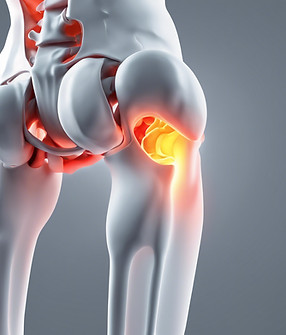
Joint pain, refers to pain or stiffness experienced in the articulations where bones meet and move together. This type of pain can result from various factors, including injury, overuse, degenerative arthritis, inflammatory arthritis, or underlying medical conditions.
Certain joints are more prone to these conditions, in particular the Hip, Knee, Shoulders, Elbows and the small joints of the hands and feet. Hip, Knee and Shoulder pain are most common and usually stem from conditions like osteoarthritis, bursitis, tendonitis, and peri-articular muscle strain.
Common hip pain conditions are osteoarthritis, labrum tears, Piriformis and Gluteus Medius spasm, and Trochanteric bursitis.
Common knee pain conditions are osteoarthritis, ligament injuries, and meniscus tears. Common Shoulder pain conditions are rotator cuff injuries, biceps tendonitis, sub-acromial bursitis, or frozen shoulder.
Elbow pain may result from conditions like tennis elbow (lateral epicondylitis), golfer's elbow (medial epicondylitis), or osteoarthritis.
Treatment for joint pain depends on the underlying cause and severity of symptoms. It may include ice or heat therapy, NSAIDs, peri-articular muscle & ligament stretching or strengthening exercises, and weight loss.
Joint injections has become a mainstay of joint pain treatment before surgical interventions such as joint replacements are considered. The intra-articular joint injections commonly offered are Cortisone (to alleviate inflammation), Hyaluronic Acid (to protect the joint surfaces) and PRP - ACP (to stimulate healing and growth of the cartilage and synovium inside the joint).
There is a range of pain conditions which is characterized by widespread musculoskeletal pain. All of these conditions are caused by systemic diseases, that is disorders which involves entire systems. The most well known of these diseases are Fibromyalgia, however others which can present in much the same way are Multiple-Sclerosis (MS), Inflammatory Arthritis conditions like Rheumatoid Arthritis, Psoriatic Arthritis, Ankylosing spondylitis and Still's Disease.
Because Fibromyalgia (FM) is most common, we will discuss it below.
FM is a disease characterized by widespread musculoskeletal pain, fatigue, sleep problems, cognitive and emotional difficulties. The exact cause of Fibromyalgia is not fully understood, however there is no question it is a type of Nervous system hypersensitivity to painful stimuli. It is normal for the human nervous system to become hypersensitive to painful stimulation when it is bombarded with the same stimulation over and over. However, the rate at which this hypersensitivity develops, and the severity of the painful stimulus needed to cause this hypersensitivity, differs from person to person.
People with (FM) develop the hypersensitivity much faster and from a much lower intensity stimulus than the average person. This causes their nervous systems to amplify the most insignificant surface discomfort into an excruciating pain experience.
Because FM is a genetic predisposition to Nervous System Hypersensitivity, it is impossible to cure, however the treatment principles are: Gentle Low Intensity Exercise - Aerobic exercise is especially suitable.
Peripheral nerve stimulations like massage therapy, acupuncture, and trigger-point injections. Medications, like Anti-Depressants (Duloxetine), Anti-seizure medications (Gabapentin), CBD and Ketamine. Cognitive Behavioral Therapies, Mindfulness training, Acceptance & Commitment Therapy. The key to successful treatment is changing of the global focus from curing the pain to becoming as functional as possible while reducing the pain to tolerable levels.


PainScape Services
Interventional Pain Services
Trigger Point Injections
Trigger point injections (TPIs) are a type of interventional pain procedure used to treat myofascial pain-syndromes.
(Sometimes called Prolotherapy if Dextrose is used)
Triggered by an overactive muscular response to injury or strain, it causes an intense inflammatory reaction in the muscle and overlying facia. This leads to a ball of swollen, spastic fibers in the damaged muscle which can be severely painful – this is known as a Trigger Point.
Some people are genetically prone to developing this condition, however it is also prevalent in whiplash injuries of the neck and lower back. The psychological stress and anxiety accompanying the trauma also serves to fuel the self-perpetuating process.
The end result is usually prolonged excruciating pain, stiffness and dysfunction. The areas mostly affected are the base of the skull, the neck, the shoulders, and the upper & lower back.
During a trigger point injection procedure, a pain specialist typically uses a thin needle to penetrate the ball of swollen, spastic fibers. Then the swelling, inflammation, & spasm (Mechanical pain) is relieved by injecting any combination of Lidocaine, Dextrose, Saline or Cortisone, into the tissues, while the fluid is released by puncturing the facia layers.
TPIs can be effective for various conditions associated with myofascial inflammation like tension headaches, fibromyalgia, and whiplash injuries.
Nerve Blocks
A nerve block is a type of interventional pain procedure used to provide pain relief by temporarily interrupting or blocking pain signals transmitted along specific nerves to the brain. Nerve blocks can be performed for diagnostic purposes to identify the source of pain or for therapeutic purposes to alleviate pain.
During a nerve block procedure, a pain management specialist typically injects a local anesthetic, such as lidocaine or bupivacaine, and a corticosteroid medication, near the targeted nerve or group of nerves. The local anesthetic temporarily blocks the transmission of pain signals while the cortisone reduces the nerve inflammation and facilitates nerve healing.
There are different types of nerve blocks, depending on the location and type of nerve being targeted:
-
Peripheral Nerve Blocks: These nerve blocks target small nerves supplying peripheral structures.
-
Nerve Plexus Blocks: A plexus block is a type of nerve block that targets a network of nerves called a nerve plexus, which is a complex interconnection of nerves that serve specific regions of the body. During a nerve plexus block, a pain specialist typically injects a local anesthetic, combined with a corticosteroid medication, near the nerve plexus. These blocks are typically performed as outpatient procedures and can be guided by fluoroscopy, ultrasound, or CT scans to ensure accurate placement of the injection. The duration of pain relief provided by a nerve block vary depending on the individual patient's response.
-
Epidural Nerve Blocks: Epidural nerve blocks involve injecting medication into the epidural space surrounding the spinal cord and cauda equina to provide pain relief for spinal nerve impingement conditions such as herniated discs and spinal stenosis.
-
Selective Nerve Root Blocks: These nerve blocks target specific spinal nerves as they exit the spinal cord, often used to diagnose and treat conditions such as herniated discs or spinal nerve compression.
Facet Joint Injections
A facet joint injection is a type of interventional pain procedure commonly used to diagnose and treat pain originating from the facet joints in the spine. Facet joints are small joints located between adjacent vertebrae in the spine, and they can become a source of pain due to arthritis, injury, or degenerative changes.
During a facet joint injection procedure, a pain management specialist typically injects a combination of a local anesthetic (such as lidocaine or bupivacaine) and a corticosteroid medication directly into the facet joint or the area surrounding it.
The local anesthetic numbs the area, providing immediate pain relief. The corticosteroid medication helps reduce inflammation in the facet joint, providing longer-lasting pain relief.
Facet joint injections can be beneficial for conditions such as facet joint syndrome, spinal arthritis, or facet joint osteoarthritis. They are often used as part of a comprehensive treatment plan that may also include physical therapy, medication management, and other modalities aimed at reducing pain and improving function and mobility.
Epidural Steroid Injections
An epidural steroid injection (ESI) is a common interventional pain procedure used to alleviate pain from nerve inflammation caused by impingement inside the spinal canal, particularly in the epidural space surrounding the spinal cord and cauda equina. This procedure is often recommended for individuals experiencing pain due to conditions such as herniated discs, spinal stenosis, or degenerative disc disease.
During an epidural steroid injection, a pain management specialist typically administers a combination of a corticosteroid medication and a local anesthetic into the epidural space. The corticosteroid helps reduce nerve inflammation and swelling, while the local anesthetic provides relief by blocking the pain impulses.
The injection is commonly administered through the Caudal canal using ultrasound guidance to ensure precise needle placement. The procedure is usually performed on an outpatient basis and typically takes only a few minutes to complete.
Epidural steroid injections can be given in different areas of the spine, including:
-
Cervical Epidural Injection: Given in the neck region to treat conditions affecting the cervical spine (neck), such as cervical radiculopathy or cervical disc herniation (Due to potential complications, this is only done in tertiary pain centers)
-
Thoracic Epidural Injection: Given in the mid-back region to treat conditions affecting the thoracic spine, such as thoracic radiculopathy or thoracic disc herniation.
-
Lumbar Epidural Injection: Given in the lower back or caudal region to treat conditions affecting the lumbar spine (lower back), such as lumbar radiculopathy, lumbar disc herniation, and spinal stenosis.
The duration of pain relief provided by an epidural steroid injection can vary from 2 to 6 months depending on factors such as the underlying condition being treated and the individual patient's response to the treatment. Multiple injections may be recommended over time for optimal pain management, as long as the injections are spread at least 3 months apart.
Nerve Blocks

Enhanced
Interventional Pain Services
PainScape offers Enhanced Pain Services not covered by the provincial Health Care that is solely focussed on healing and protecting joints and tissue.
Please discuss your needs with the PainScape physician and staff. They will provide you with a cost estimate.

Hyaluronic Acid (Durolane) for Joint Pain and Mobility
Joint pain from Arthritis can be a significant source of discomfort and can severely impact your quality of life. When joints become damaged, the quality and quantity of hyaluronic acid in the synovial joint fluid becomes depleted, reducing the fluid’s lubrication and shock-absorbing properties.
Common Causes of Joint Pain:
-
Osteoarthritis: The most common form of arthritis, osteoarthritis occurs when the protective cartilage that cushions the ends of your bones wears down over time. This can result in pain, stiffness, and reduced mobility.
-
Rheumatoid Arthritis: Unlike osteoarthritis, rheumatoid arthritis is an autoimmune disorder that causes inflammation in the joints. This can lead to pain, swelling, and eventually joint damage if left untreated.
-
Injuries: Sports injuries, accidents, or repetitive strain can cause damage to the joints, resulting in pain and discomfort. Common injuries include ruptured ligaments and cartilage, and bony fractures.
-
Other Conditions: Joint pain can also be caused by other medical conditions such as gout, lupus, psoriasis, as well as bone infections or tumors.
What is Hyaluronic Acid (Durolane)?
It is a revolutionary treatment designed to alleviate joint pain and improve mobility. It is a visco-supplement in the form of an injection into the joint which restores lubrication and cushioning within the joints. It contains a natural substance called hyaluronic acid, which is found in healthy joint fluid. When injected, the thick viscous substance enhances the viscoelastic properties of synovial fluid, in turn improving its lubricating and shock-absorbing properties, thereby reducing pain and improving mobility.
It can be injected into any larger joint and commonly provides pain relief for anything from 2 to 4 months of relief. The effectivity differs depending on the degree of joint damage and the patient's reaction to the medication.

The Power of PRP (Platelet-Rich-Plasma) Therapy
Platelet-Rich Plasma (PRP) therapy is an innovative medical treatment that utilizes the healing properties of your body's own blood to promote tissue repair and reduce pain. PRP is derived from a sample of your blood, which is processed to concentrate the platelets which contains high concentrations of growth factors (chemical which naturally stimulates growth, healing and regeneration in your body) in a small volume of your own plasma.
How does PRP treatment process work?
During a PRP session, a small amount of blood is drawn from your arm and processed using a centrifuge to separate the platelets from other blood components. The concentrated platelet-rich plasma is then injected directly into the affected area with the use of ultra-sound, where it immediately start stimulating tissue repair and reduces inflammation. This natural healing process are thus supercharged to promote long-term healing, and alleviate pain.
Are all PRP the same?
No, all types of PRP are not equal because different preparation techniques exist. The type of preparation technique should be specific for the condition treated, otherwise it will adversely influence the results.
For Musculo-skeletal Injuries and Arthritic Joints, the best PRP preparation is ACP (Autologous Conditioned Plasma PRP) because it produces the lowest White (pro-inflammatory) cells counts and highest platelet counts of all preparations. When comparing different ACP preparations, the ACP-Max system produces the highest concentration platelets (12 times base platelet count), and lowest White cell count (99% reduction from base levels).
PainScape utilize the ACP-Max system which will therefore provide you with the highest possible pain relief and healing capabilities for musculo-skeletal injuries and inflammation currently available on the market.

Botulinum Toxin Type A (Botox) for Pain Management
Botox injections are commonly known for their cosmetic use in reducing the appearance of wrinkles, but they also have significant therapeutic applications, including in pain management. When used for pain management, Botox injections are typically administered by pain management specialists to target specific muscles or areas of the body experiencing chronic pain. The mechanism of action are threefold:
-
It reduces nerve supply to the muscles to prevent spasm.
-
It reduces pain impulse conduction to the brain.
-
It reduces the nervous system's tendency to become hypersensitive.
Here are some common uses of Botox injections in pain management:
-
Chronic Migraines: Botox injections have been approved by the FDA for the prevention of chronic migraines in adults. When injected into specific areas of the head and neck, Botox can help reduce the frequency and severity of migraine headaches.
-
Muscle Spasms: Botox injections can be used to treat muscle spasms in conditions like TMD (Tempera-mandibular disorder), Muscle tension headaches, Torticollis & Piriformis syndrome. By temporarily blocking the release of acetylcholine, a neurotransmitter involved in muscle contraction, Botox can relax overactive muscles and reduce pain.
-
Myofascial Pain Syndrome: Botox injections may be used to treat myofascial pain syndrome, the chronic pain condition characterized by trigger-points (muscle knots) and muscle stiffness. Botox can break the muscle spasm in the trigger-points.
-
Neuropathic Pain: Botox injections are also used to reduce neuropathic pain conditions such as peripheral neuropathy or postherpetic neuralgia by reducing the pain impulses produced by the damaged nerves from reaching the brain..
The effects of Botox injections can take several days to weeks to fully develop and may last for several months, depending on the specific condition being treated and individual patient response. As with any medical procedure, potential risks and benefits should be discussed with your provider before undergoing treatment.


Making an Appointment?
1. We need a Referral!
Due to rules implemented by the Medical Services Plan, we kindly request a referral from your family physician, referring physician or nurse practitioner.
At PainScape, we prefer the use of the PainScape Standardized Referral Form fully completed by your Healthcare provider. We have attached the link next to this paragraph. Press the button to download the fillable pdf.
When do we NOT need a referral?
When you are interested in the PainScape Enhanced Pain Treatments which are private pay treatments.
Because these treatments are not dependent on MSP payment, you can contact PainScape directly.
The Enhanced Pain Treatment are:
-
Platelet-Rich-Plasma Injections for Joints, Tendons, muscles and all other Soft tissue
-
Hyaluronic Acid Injections (Durolane) for Joints
-
Botulinum Neurotoxin - A Injections for: Headaches, Migraine, Neck pain, TMD, Piriformis syndrome & Myofascial pain syndromes

2. Review your Case file
After we receive your completed Referral the Intake process begins!
Our PainScape Physician will carefully evaluate your referral and a Telephonic Medical Assessment will be scheduled.
Telephonic Medical Assessment with our Physician
A PainScape Telephonic Medical Assessment is a phone-based evaluation conducted by Dr. Retief to assess your pain condition. The purpose of this call is to:
-
Gather information about your symptoms, your pain condition's history, and your pain management needs.
-
Confirm the nature of your pain condition, and understand how the pain condition physically and emotionally impacts your daily life.
-
Determine if the treatment modalities at PainScape would be a good fit for your specific pain condition.
-
Assessing the urgency of your condition and the next steps in your treatment plan.
There are 2 possible outcomes after the Telephonic Medical Assessment:
Accepted as a Patient
If our PainScape treatment modalities are most likely a good fit for your specific pain condition, our staff will contact you to first schedule you for an Educational Group Session.
Referral Not Accepted
If our PainScape treatment modalities are not a good fit for your specific pain condition, we will inform your family or referring physician, who will then arrange for an alternative avenue to address your specific pain management needs.
3. Group Education Session
We believe that empowering you with knowledge about your condition is the first step to alleviating your pain. Therefore, before your first consultation, we want to ensure that you are armed with the appropriate knowledge and understanding to reap full benefit from our program. Therefore, usually the first step is a Group Education Session where Dr Retief will discuss the complexity of chronic pain and why we treat it the way we do, as well as the various interventional procedures available. After the Group Education Session, you have an opportunity to decide if you would like to proceed with the In-person Procedural Appointments.
4. Medical Intake with our Clinical Staff
Following the educational session, if you have decided to proceed with our program, one of our clinical staff will conduct a comprehensive telephonic medical intake interview with you. This will involve discussing your medical history, any completed special investigative tests, and scans, as well as your current medication. This 20 – 30 minute telephonic interview aims to gather vital information to better understand your situation and prepare our team with the correct documentation for the next appointment with the physician.
5. Initial In-person Procedural with our Physician
Following the telephonic appointment, you will have an in-person consultation with Dr Retief. This session involves a thorough examination and a detailed discussion about your condition. During this consultation, Dr Retief will explore various treatment options and work with you to create a personalized management plan. If deemed appropriate, trigger- point injections or Ultrasound guided injections may be recommended and administered at the same appointment. This initial appointment is scheduled for 45 minutes. If required, more complex procedures, will be scheduled and carried out in an accredited specialized facility, ensuring your safety and comfort.
6. Follow-up Appointments
At PainScape we believe in order to manage your pain long term, follow-up appointments are essential.
These appointments serve several purposes:
-
Assessment of Progress: During a follow-up appointment, our physician will evaluate your response to previous treatments. They may inquire about changes in symptoms, improvements, or any new concerns that have arisen since the last visit.
-
Treatment Adjustment: Based on your progress and any changes in your condition, the physician may adjust the treatment plan. This could involve modifying medication dosages, recommending additional tests or procedures, or exploring alternative treatment options.
-
Monitoring: For chronic pain conditions, follow-up appointments help the physician monitor your condition over time. Regular monitoring allows for early detection of any complications or changes that may require intervention.
-
Education and Counseling: Follow-up appointments provide an opportunity for the physician to educate you further about your condition, treatment options, and self-care strategies. They may offer advice on lifestyle modifications, exercises, or coping techniques to help manage symptoms and improve overall well-being.
-
Continuity of Care: Follow-up appointments contribute to continuity of care, ensuring you receives consistent and comprehensive healthcare. They allow the physician to establish a long-term relationship with you and provide ongoing support and guidance as needed.


PainScape Costs
At PainScape, we are committed to delivering personalized, timely, and effective care to help you achieve the best possible pain relief and functional improvement through our treatment programs. However, to maintain this high level of service, certain costs not covered by MSP must be paid by our patients. While we do our best to keep these costs to a minimum, they are unavoidable. We appreciate your understanding.
The PainScape Recovery Handbook
When our PainScape Physician has approved your case and accepted you as a patient, you will be invited to attend a mandatory Group Education Session.
The Group Education Session is for free, however you are strongly advised to purchase the "PainScape Recovery Handbook"
This Reference Handbook will be available for $ 35.
Dr Retief will refer to this handbook’s content during the group session, and afterwards it will act as an essential reference source and journal throughout your journey with PainScape. For these reasons all new patients should purchase this book before the session commences. The purchase price covers the printing costs of the book. Our staff will explain how to settle the purchase when they schedule you for your Education Group Session.
Appointments - Booking Retainer
After the Group Education session, if you feel that the PainScape treatment program and Dr Retief’s Interventional Pain service will meet your needs, our staff will be available to book your next appointments. These will consist of a Medical Intake Interview and your Initial In-person Appointment with Dr Retief.
Due to the high demand for PainScape services, the personalized attention we provide to each of our patients and the costs involved in offering these services, we require an administrative pre-booking retainer. The retainer will cover the costs of the Medical Intake appointment with our clinical staff as well as the of Injectable Medication for your first appointment with Dr Retief.
-
Medical Intake - Clinical Staff Appointment $ 40.00
-
Injectable Medication at First In-person Appointment: $ 60.00
-
Total Pre-Booking Retainer: $ 100.00
-
Follow-up Procedures
PainScape is non-Health Authority Medical Clinic contracted with MSP (the Medical Service Plan), therefore, MSP covers consultations and procedures, however, the cost of injectable medication is NOT covered and remains your responsibility.
We will strive to keep the cost of injectable medication affordable, with a pricing structure that includes only the medication cost and a nominal administration fee. Typically, the total charge for injectable medication ranges between $30 and $60 per visit.
Financial Barriers
If cost is a financial barrier, please contact our office, and we can explore options, including referring you to a government facility where medication costs may be covered.
Frequently Asked Questions?

FAQ ?
What does PainScape do?
We are a group of Pain Professionals that provide consultation and interventional services to patients living with chronic pain. We strive towards a holistic approach and manage our patients using the BioPsychoSocial treatment model. We follow the BioPsychoSocial treatment model, which considers the biological, psychological, and social factors that contribute to a person’s pain experience. We understand that chronic pain affects individuals on physical, psychological, and social levels.
At PainScape, our primary focus is providing comprehensive care to individuals who are living with chronic pain. We are dedicated to improving the quality of life for our patients through consultation and interventional services.
Our services encompass a range of interventions aimed at effectively managing and reducing chronic pain. This may include consultations to assess your pain conditions, develop personalized treatment plans, and provide ongoing support. Additionally, we offer interventional procedures that target specific pain sources, such as nerve blocks, injections, or other invasive techniques.
PainScape also offers Enhanced Pain Management Treatments such as PRP (Platelet-Rich Plasma) Therapy, Hyaluronic Acid (Durolane) Joint Treatments and Neuromuscular Blockers for Pain Management.
The goal is to help you regain control over your pain, enhance your overall wellbeing and improve your daily functions and quality of life.
Who is the Medical Director?
Dr. PJ Retief
MD, DA (SA), CCFP, CCFP (FPA), CCPain (UofA)
Dr Retief is a highly qualified medical professional with extensive experience as a Pain and Rehabilitation Physician and Anesthesiologist. For the past 16 years, he has been practicing at Chilliwack General Hospital, where he has dedicated his career to helping patients manage their chronic pain.
Driven by his passion for providing effective pain management, Dr Retief pursued additional qualification in Pain and Rehabilitation. This specialization allows him to adopt a comprehensive and holistic approach to patient care.
Dr Retief believes in the importance of interventional procedures as part of a multidisciplinary approach to help patients overcome their pain conditions. These procedures, alongside other treatment modalities, can provide targeted relief and improve patient’s quality of life.
Recognizing the challenges posed by ongoing provincial healthcare restrictions and limited funding, Dr Retief saw the need for a dedicated clinic that could deliver the level of care that patients suffering from pain conditions truly require. As a result, he established PainScape in October 2022, to provide specialized pain management services that prioritize individualized care, comprehensive treatment plans and patient well-being.
Who are our Staff Members?
At PainScape, we have a dedicated team of staff members who play essential roles in providing quality care and managing our clinic operations. Here are key members or our staff:
-
Erica: Serves as our Practice Manager. She oversees the overall operations of the clinic, ensuring smooth functioning and efficient patientcare. She is also responsible for managing bookings, ensuring that appointments are scheduled effectively, and patients are accommodated appropriately.
-
Blair: Is our Medical Office Assistant. You will have the opportunity to meet Blair during your in-person visits and procedure appointments. As a medical office assistant Blair assist our medical professionals, supports patients through their visit and helps ensure that all administrative tasks are handled efficiently.
-
Nadine & Michele: Are our Clinical Assistants and assist our medical professionals especially with Enhanced Pain Services, supports patients through their visit and helps ensure that all medical tasks are handled efficiently.
-
Beverly: Is our Clinic nurse. You will either meet Beverly or one of our Clinical Assistant staff members when you are phoned for your medical intake interview to discuss your medical history, your records, and your medication.
How do I contact PainScape?
Contacting PainScape is easy, and we have multiple communications channels available for your convenience. Due to our busy schedule attending to patients, we recommend the following methods for quicker responses:
-
Text Message: You can reach us by sending a text message to our mobile phone number. This method allows for efficient communications and ensures that your message receives prompt attention.
MOBILE: 604-991-0421
-
Email: You can email us at our office email address, and our team will prioritize responding to your query or request.
EMAIL: painscape.drretief@gmail.com
While we strive to be accessible and responsive, please understand that there may be times when our phone line is engaged as we attend to other patients. By using text messaging or email, you can help us provide you with a quicker response and streamline our communication.
What do I do if I do not have a mobile phone or email?
In our clinic we have implemented an electronic system to enhance our patient experience and streamline our operations. This system allows us to efficiently book appointments, send reminders and distribute essential health information to you. To ensure effective communication, we strongly recommend that you provide us with either a mobile number or an email address, preferably both.
Our dedicated staff will kindly ask for your contact details to update our records. If, for any reason, you personally do not have access to these electronic tools, we kindly request that you provide us with the contact details of a family member or support person who can assist you. It is crucial for the PainScape office to be able to reach you promptly and reliably through electronic means.
Your cooperation in providing accurate and up-to-date contact information will greatly contribute to the smooth functioning of our clinic and ensure effective communication between us. Thank you for your understanding and collaboration in this matter.
Where do I park my car?
At PainScape, we offer three parking options for your convenience:
-
Covered Parking: You can park on the ground level under the covered parking area. The entrance to this parking area is accessible from Vedder Road.
-
Gaetz Street Parking: There is parking available on Gaetz Street, located next to our building. You can park your car in the designated parking spots on the street.
-
Rooftop Parking: At the back of the building, there is a drive-up ramp that leads to the parking area situated at the top of the building.
Is the PainScape Office Accessible for Wheelchairs/Mobility Aids?
Yes, the PainScape office is accessible for individuals using wheelchairs or mobility aids. We strive to provide an inclusive and welcoming environment for all our patients, regardless of their mobility needs.
What is the Cost of Visiting PainScape?
PainScape is non-Health Authority Medical Clinic contracted with MSP (the Medical Service Plan), therefore, MSP covers consultations and procedures, however, the cost of injectable medication is NOT covered and remains your responsibility.
Please go read the section called PainScape Costs where all the details are provided. Click this link.
To cover these injectable medication costs, we request that all patients bring a Debit or Credit card for payment.
Following your visit, you will receive an itemized receipt, which can be used for tax purposes or submitted to extended health insurance for reimbursement if applicable.
For the safety of our staff, we do not keep cash or a cashbox with change at the clinic and kindly request that patients settle their injectable medication bill with either a debit or credit card. We also accept e-transfers and the staff will provide you with the email for this payment method if required.
If you have any questions or concerns regarding the cost of injectable medication or the payment process, please feel free to reach out to our clinic staff.
PainScape Enhanced Pain Treatments are not covered by MSP and pricing for these treatments if you are a candidate will be discussed at that point in time.
Can I bring a family member or a friend to my appointment?
Absolutely! We understand that medical appointments can sometimes be overwhelming, and having a family member or a friend by your side can provide comfort and support. You are more than welcome to bring a family member or a friend to accompany you during your appointment at PainScape.
Having a support person present can help ensure that you receive all the necessary information and understand the details discussed during your appointment. They can also assist you in taking notes, asking questions, and providing emotional support throughout the process
How long is my first appointment?
Your first procedural appointment, is scheduled to last between 45-60 minutes. We allocated this timeframe to ensure that you have ample opportunity to discuss your medical concerns, provide relevant medical history, and address any questions or concerns you have. We understand the importance of dedicating sufficient time to thoroughly assess your situation and develop an appropriate treatment plan tailored to meet your unique needs. By allowing for this extended duration, we aim to provide you with a comprehensive and personalized healthcare experience.
We kindly request that you allocate enough time in your calendar for the appointment. This will help ensure that you have a productive and unhurried consultation with our medical professionals. If there are any scheduling constraints, please let our clinic staff know in advance, and we will do our best to accommodate your needs.
What is PainScape’s cancellation policy?
At PainScape, we understand unforeseen circumstances may arise, leading to the need for appointment cancellations or rescheduling. To ensure that we can continue to provide you with the highest quality care, we have a cancellation policy in place that we would like to bring to your attention. This policy helps us manage our schedule effectively and ensure that all patients have a fair opportunity to receive timely care.
Why we have a Cancellation Policy?
Your session with Dr Retief is scheduled specifically for you, with the goal of dedicating ample time to address your unique pain condition. By reserving this time slot for you, we aim to offer personalized care and effective pain management solutions.
Cancellation Notice?
If, for any reason, you need to cancel your appointment, we kindly request that you provide us with a 24 hour notice.
You can notify us of any cancellations via text message at 604 991 0421 at or email at painscape.drretief@gmail.com.
This advance notice allows us to offer the vacant time slot to another patient on our waitlist, maximizing our ability to provide care to those in need.
Cancellation Fees?
Please note that patients who do not show up for their appointments or provide less that 24-hour notice for cancellations will be subject to a pre-booking fee to reschedule another appointment.
Pre-booking fee for New patients: $ 200
Prebooking fee for Follow-up patients: $ 100
We appreciate that there may be extenuating circumstances and will consider individual situations on a case-by-case basis and value your understanding and cooperation with our cancellation policy.
Do I need to wear a mask?
At PainScape, wearing a mask is not mandatory for all patients. However, we do request that if you are feeling unwell or experience any symptoms, you kindly wear a mask while inside our clinic. This precaution helps ensure the safety and well-being of both our patients and our staff.
Furthermore, we understand that some individuals may feel more comfortable wearing a mask in a medical environment regardless of their health status. We fully support your personal choice in this matter. If wearing a mask makes you feel more at ease during the visit, please feel free to do so.